Lawn Care in Alperton: Practical, Seasonal, and Professional Advice for a Healthier Garden
Lawn care in Alperton is about more than keeping grass short and neat. In a busy part of West London where gardens face shade, foot traffic, compacted soil, and changing weather, a lawn needs consistent attention to stay green, resilient, and attractive. Whether you own a small front garden, a larger family lawn, or a shared outdoor space, the right approach to lawn care in Alperton can make a noticeable difference throughout the year.
Many homeowners want a lawn that looks tidy without spending every weekend maintaining it. That is possible with the right balance of mowing, feeding, watering, aeration, and weed control. Effective lawn care in Alperton starts with understanding local conditions and choosing methods that suit the soil, weather, and level of use your garden receives.
In this article, we will explore how to keep grass healthier in Alperton, what problems are common in local lawns, and which routines work best for long-term results. From seasonal tasks to practical tips for busy households, the focus is on realistic lawn care that improves both appearance and durability.
Why Lawn Care in Alperton Needs a Local Approach

Alperton lawns often deal with a mix of urban challenges. Properties may sit close together, meaning reduced sunlight and more shade than in open suburban areas. Soil can become compacted due to heavy use, especially in gardens used by children, pets, or frequent visitors. Some lawns also suffer from drainage issues after heavy rain, while others become dry and patchy during warm spells.
Because of these conditions, lawn care in Alperton should not rely on a one-size-fits-all routine. A lawn in a shaded terrace garden will need different care from one exposed to direct sun for most of the day. Likewise, a lawn with clay-heavy soil will respond differently from one with a lighter, sandier texture. Recognising these differences is the first step toward better results.
Professional lawn care in Alperton often begins with an assessment of the lawn’s condition, including grass type, soil structure, and problem areas. Even without formal testing, a homeowner can spot signs such as thinning turf, moss growth, bare patches, or standing water. These clues help determine whether the lawn needs feeding, aeration, overseeding, or improved drainage.
Understanding the Main Lawn Problems in Alperton

One of the most common issues in lawn care in Alperton is moss. Moss tends to thrive where grass struggles, especially in shaded, damp, or compacted areas. If your lawn remains soggy for long periods or receives limited sunlight, moss can quickly take over and weaken the turf.
Another frequent problem is weeds. Dandelions, clover, plantain, and other broadleaf weeds can spread rapidly in lawns that are thin or underfed. The best way to manage weeds is not simply to remove them once they appear, but to strengthen the grass so weeds have less opportunity to establish themselves.
Patchiness is also very common. Bare or thin areas may appear after winter, during dry weather, or as a result of heavy foot traffic. In many cases, these patches are not permanent; they simply need the right combination of scarifying, reseeding, and ongoing care. A healthy lawn in Alperton is usually the result of consistent small improvements rather than one major intervention.
Soil Health and Why It Matters
Good lawn care in Alperton starts below the surface. Soil health affects how well grass roots grow, how much water is retained, and how easily nutrients are absorbed. When soil is compacted, roots struggle to access oxygen and moisture. When soil is too acidic or depleted, grass may look pale, weak, or patchy.
Improving soil structure can involve aeration, topdressing, and regular feeding. Aeration creates small openings in the soil so air, water, and nutrients can move more freely. Topdressing with a suitable mix can improve surface texture and support seed germination. These steps are especially useful for lawns that have become tired after years of use.
Healthy soil creates healthy grass. That simple principle sits at the heart of successful lawn care in Alperton. A lawn is not only a decorative surface; it is a living system that depends on the right balance of soil, moisture, light, and maintenance.
The role of pH and nutrients
Grass performs best in soil that is neither too acidic nor too alkaline. If nutrient uptake is poor, even regular feeding may not produce strong growth. A balanced fertiliser program can help, but in some cases, a soil test is useful to identify deeper issues. For many homeowners, the key is to apply fertiliser at the right time and avoid overfeeding, which can encourage weak, lush growth that is more vulnerable to disease.
Seasonal Lawn Care in Alperton

The best lawn care in Alperton changes with the seasons. Grass grows differently in spring, summer, autumn, and winter, so the maintenance plan should change too. A seasonal routine is one of the easiest ways to keep a lawn looking good all year.
In spring, the lawn usually needs a wake-up routine after winter. This is the time to rake away debris, remove moss if necessary, repair bare patches, and begin the first feed of the year. Mowing can also restart gradually as growth increases. Spring is ideal for encouraging recovery and setting the lawn up for the months ahead.
In summer, the focus shifts to watering, mowing at the correct height, and preventing stress from heat and dryness. During very warm weather, cutting the grass too short can cause browning and weaken the lawn. Keeping blades a little longer helps shade the soil and conserve moisture.
Autumn and winter care
Autumn is often the most important season for lawn recovery. It is a good time for aeration, scarifying, overseeding, and feeding with an autumn lawn fertiliser that supports root strength rather than rapid top growth. These steps help the lawn build resilience before winter.
In winter, lawn care in Alperton is mostly about protection. Avoid walking on frozen or waterlogged grass, as this can damage the surface and compress the soil. Keep the area free from heavy leaf build-up, since damp leaves can block light and encourage disease. A little attention in winter makes spring recovery easier.
Mowing Methods That Improve Lawn Health

Mowing is one of the most frequent lawn care tasks, but it is also one of the most misunderstood. Cutting grass too short, too infrequently, or with dull blades can all create problems. For lawn care in Alperton, the goal should be clean, steady mowing that supports healthy growth.
A useful rule is to avoid removing more than one-third of the grass height in a single cut. This reduces stress and helps the lawn recover more quickly. During active growth, mowing once a week may be enough, though some gardens need more frequent cuts in spring. In slower-growing periods, mowing can be reduced.
Sharp blades are essential. Dull mower blades tear grass rather than cutting it neatly, leaving frayed tips that turn brown and increase the risk of disease. If your mower has not been serviced for a while, sharpening or replacing the blades can instantly improve the appearance of the lawn.
Useful mowing habits
- Mow when the grass is dry enough for a clean cut.
- Vary the mowing pattern to reduce soil compaction and wheel marks.
- Raise the cutting height during hot or dry weather.
- Leave grass clippings on the lawn only if they are light and evenly spread.
These habits support better lawn care in Alperton and reduce unnecessary stress on the turf. A well-maintained mowing routine does not just keep the garden tidy; it helps the lawn grow stronger over time.
Feeding, Watering, and Weed Control
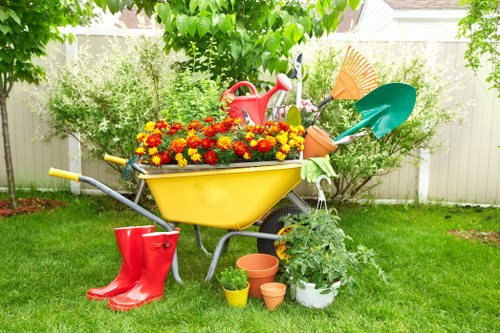
Feeding is an important part of lawn care in Alperton because grass needs nutrients to stay dense and green. The right fertiliser can encourage healthy root growth, better colour, and improved resistance to wear. Spring and autumn feeding are often the most effective, though the exact timing depends on the condition of the lawn and the weather.
Watering should be done carefully. In Alperton, lawns do not always need frequent watering, especially in cooler or wetter periods. However, if the weather becomes hot and dry, a lawn that is beginning to wilt may benefit from deep watering rather than light, frequent sprinkling. Deep watering encourages roots to grow further into the soil.
Weed control is best approached as part of an overall lawn health strategy. Herbicides can help with persistent weeds, but the long-term solution is to make the lawn thick enough to crowd them out. Overseeding, feeding, and correct mowing are often more effective over time than repeated spot treatments alone.
Balancing all three tasks
Feeding, watering, and weed control work best when they are planned together. A lawn that is underfed and dry will struggle to resist weeds. A lawn that is overwatered may become soft and disease-prone. A lawn that is fed but not mown correctly may grow unevenly. Lawn care in Alperton is about balance, not excess.
Aeration, Scarifying, and Overseeding
For many gardens, these three techniques are the turning points in lawn care in Alperton. They address the most common underlying causes of poor turf: compacted soil, thatch build-up, and thin grass cover.
Aeration helps loosen compacted ground and improves root access to air and moisture. It is especially valuable in high-traffic areas or lawns that feel hard underfoot. Spike aeration or hollow-tine aeration can both be useful depending on the lawn’s condition.
Scarifying removes dead grass, moss, and thatch from the surface layer. Too much thatch can prevent water and nutrients from reaching the soil properly. After scarifying, the lawn may look worse before it looks better, but the recovery phase often leads to a healthier, denser result.
Overseeding for stronger coverage
Overseeding means spreading new grass seed over thin or damaged areas. It is especially useful after scarifying or in patchy lawns. Choosing a seed mix suited to the level of shade and use in your garden can improve success. Once seeded, the area should be kept lightly moist until germination begins.
- Use aeration to improve soil access.
- Scarify to remove built-up debris and moss.
- Overseed to thicken weak areas.
- Apply a suitable feed to support recovery.
Together, these steps can transform struggling turf into a more even and vigorous lawn. For many households, this is one of the most effective methods in long-term lawn care in Alperton.
Lawn Care for Different Types of Gardens in Alperton
Not every garden in Alperton is the same, so lawn care should be adapted to the space available. Small urban lawns may need more careful edging and a simpler maintenance routine. Family lawns often require stronger recovery methods because they are used more heavily. Front lawns may be more visible and need a focus on neatness, while rear lawns may need more attention to shade and wear.
For shaded gardens, choose grass seed and fertiliser options designed for lower-light conditions. For sunny gardens, focus on moisture retention and protection from drought stress. If pets use the garden, regular raking, occasional reseeding, and firm soil management can help keep the lawn presentable.
Commercial and shared spaces also benefit from consistent lawn care in Alperton. A tidy lawn can improve kerb appeal, make outdoor areas more welcoming, and help create a professional impression. In these settings, reliability matters just as much as appearance.
Simple priorities for each space
In a small garden, the emphasis may be on appearance and easy upkeep. In a high-use family garden, durability matters more. In a decorative garden, finer mowing and regular feeding may be the priority. Matching the maintenance plan to the purpose of the lawn leads to better results.
Common Mistakes to Avoid
Even well-meaning homeowners can make mistakes that undermine lawn care in Alperton. One of the biggest is cutting the grass too low in an effort to reduce mowing frequency. This can weaken the lawn, expose the soil, and encourage weeds. Another mistake is watering too often but too shallowly, which can create weak surface roots.
Some people also apply fertiliser without considering the season. Feeding at the wrong time can push growth when the lawn should be conserving energy. Likewise, using too much weed killer or moss treatment can solve a short-term issue while overlooking the deeper cause.
Avoiding over-treatment is just as important as doing enough. Good lawn care in Alperton is usually steady, measured, and responsive. The aim is to improve the lawn gradually and consistently, not to force rapid change through aggressive interventions.
When to Consider Professional Lawn Care in Alperton
Some lawns recover well with home maintenance alone, while others benefit from specialist attention. If a lawn remains patchy despite regular feeding and mowing, or if moss and weeds continue to dominate, it may be time to consider professional lawn care in Alperton. A specialist can diagnose deeper issues and recommend the right treatment plan.
Professional support is also useful when the lawn needs more technical work such as aeration, scarifying, overseeding, or drainage improvement. These tasks can be time-consuming and are often more effective when carried out with the right equipment and experience. For larger gardens, professional help can also save considerable effort.
Choosing expert lawn care in Alperton can be a practical investment in both appearance and property value. A better lawn creates a more inviting outdoor area and can make the whole garden feel more usable. If the goal is a stronger, greener, and easier-to-manage lawn, specialist care may be the fastest route to progress.
What good service should focus on
- Assessing soil condition and lawn health.
- Applying treatments at the right time of year.
- Improving grass density and resilience.
- Reducing moss, weeds, and bare patches.
Long-Term Results: Building a Lawn That Lasts
The best lawn care in Alperton is not based on quick fixes. It is built on routines that protect the grass from stress and support steady recovery. That means mowing at the right height, feeding with purpose, improving the soil, and responding to seasonal changes before problems become severe.
If you want a lawn that stays attractive for longer, think in terms of maintenance cycles rather than isolated tasks. For example, spring preparation supports summer growth, summer care reduces heat damage, autumn renovation strengthens the roots, and winter protection prevents setbacks. Each season plays a role in the overall result.
Consistency matters more than perfection. Even small improvements, repeated regularly, can create a noticeable difference in lawn quality. A lawn that is gradually thickened, fed, and protected will usually outperform one that receives occasional intensive treatment without follow-up.
Final practical checklist
- Mow regularly and avoid cutting too short.
- Feed at suitable times of year.
- Water deeply during dry periods, not constantly.
- Aerate compacted areas when needed.
- Scarify and overseed thin or mossy patches.
- Keep an eye on shade, drainage, and wear.
With the right approach, lawn care in Alperton becomes manageable and rewarding. A healthy lawn improves the look of the garden, supports outdoor living, and adds a sense of order and freshness to the property. If your grass is struggling, now is the time to act: contact us today to discuss the right lawn care options, or book your service now and give your garden the attention it deserves.
Whether you are dealing with moss, weeds, dry patches, or compacted soil, the right lawn care in Alperton can restore balance and improve long-term growth. By following seasonal routines, avoiding common mistakes, and choosing treatments that suit local conditions, you can enjoy a greener, stronger lawn with less effort over time.

